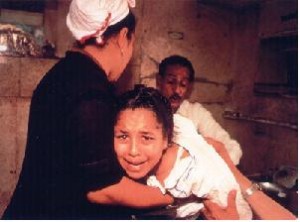
FGM is affecting about 140 million girls and women, and more than 3 million girls are at risk every year. WHO The International Day of Zero Tolerance to Female Genital Mutilation is observed each year to raise awareness about this practice. Female genital mutilation (FGM) refers to all procedures involving partial or total removal of the external female genitalia or other injury to the female genital organs for non-medical reasons. Female genital mutilation has no known health benefits. On the contrary, it is associated with a series of short and long-term risks to both physical, mental and sexual health and well-being. FGM is affecting about 140 million girls and women, and more than 3 million girls are at risk every year. A special focus for WHO in 2012, is the troubling trend of health-care providers increasingly being the ones performing female genital mutilation, and thereby contributing to legitimize and maintain the practice.


