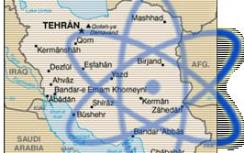
Concerning a popular uprising against the regime, the U.S. does not have a major role to play. As for banning Iran from exporting oil, it would cause prices on the global market to rise, which would be an unwelcome event. PIERRE GHANEM – AL ARABIYA A few weeks ago, the Obama administration discussed with local and regional parties the possibility of imposing additional sanctions on Iran. Al Arabiya was informed of two key elements that pushed the American administration to reconsider its stance: first, the alleged assassination attempt against the Saudi ambassador, Adel al-Jubeir, in Washington. And second, Iran’s capacity to build a nuclear bomb in the near future. The nuclear element is seen as dangerous, since it destabilizes the balance of power in the Gulf and Middle East and threatens international peace and security. A new report and more enriched Uranium The International Atomic Energy Agency is expected to hold a meeting in early November on the Iranian nuclear project. The report will definitely point to the increased quantity of enriched uranium in Iran. Some information received by Al Arabiya noted that until September, Iran had enriched 70 tons of Uranium to 20 percent concentration, and might even have produced more than 150 tons of 20 percent- enriched uranium. Furthermore, it is easy for Iran to enrich this quantity further to 90 percent, which would give Iran 200 tons of highly enriched uranium, enough for a nuclear weapon. This first scenario is highly controversial among U.S. stakeholders and Western and Middle Eastern governments’ representatives. However, it is important to note that the American administration is currently discussing with its allies the measures to be adopted by Washington and the U.N. Security Council after the International Atomic Energy Agency releases its report on Iran in a couple of weeks. Iran’s fiercest opponents suggest a package of severe sanctions against Tehran, including: •Sanctions against the Iranian Central Bank •Sanctions against Iranian oil derivatives imports •Intensified sanctions against the Iranian Revolutionary Guards •Banning Iran from importing all kinds of weapons The Obama administration has already started to talk with its European allies about imposing sanctions on the Iranian Central Bank. However, Europe has great financial interests in Iran and the sanctions against the bank would also affect the European economy. But Washington believes that it can easily impose additional sanctions on the Iranian Revolutionary Guards. However, imposing “sweeping sanctions” against Iran would not an easy task for Washington. The big stick policy Michael Singh, National Security Council director for Iran in President George Bush’s administration, believes that “the current administration had adopted the policy of dialogue with Iran, but this policy has failed. However, it is normally hard for any administration to change its strategy as swiftly as thought.” Singh blames the Obama administration for giving Iran an unjustified grace period of 30 months during which the Iranians implemented their policies and continued to enrich wranium while the new American administration was reconsidering George W. Bush’s policies. But now, the U.S. policy toward Iran has reached a deadlock. It was revived by the alleged assassination attempt against the Saudi ambassador, but it did not overcome the deadlock. “Hopefully, the U.S. would be pushed to act after the IAEA report is published,” Singh says. The U.S. administration should take decisive action, because international and American experts have unanimously agreed that Iran could build a nuclear weapon in two years, or at least by 2015. The experts also noted that Iran must not be given any additional time, which would allow it to continue its enrichment operations. Getting closer to building a nuclear weapon allows Iran to possess such a weapon even under a complete blockade and sweeping sanctions in 2015. Therefore, Iran’s opponents are calling for sanctions against Tehran, so that the world and the Middle East can be protected protect from the next Iranian nuclear threat and from the arms race that includes Egypt and the Gulf countries. What Iran fears the most Concerning the way to deal with Iran, Singh, who works now in the Washington Institute for Middle Eastern Studies, believes that there are three ways to deal with the current regime: a.A U.S. military campaign that targets the Revolutionary Quards infrastructure and the Iranian nuclear plants b.A popular campaign against the regime similar to those in Libya and Egypt c.Banning Iran from exporting oil Singh says that “the current administration does not intend to adopt any of these three options or is at least not giving the world this illusion.” In an interview with Al Arabiya, Singh compares the current and the former U.S. administration policies and says: “George Bush used to send aircraft carriers to the Gulf and deliberately perform air and naval exercises to inform Iran that he would seriously resort to military power. But now, president Obama does not seem serious when he talks about a military attack against Iran and Tehran is not taking his words seriously when he says that all options are on the table”. Concerning a popular uprising against the regime, the U.S. does not have a major role to play. As for banning Iran from exporting oil, it would cause prices on the global market to rise, which would be an unwelcome event. The U.S. administration does have one thing it could do, after the IAEA issues its report on Iran: Washington, and perhaps Europe, could implement severe measures to stop Tehran’s advance. But in the next six months or so it is vital to stop the deterioration in the dialogue about Iran, which will intensified international efforts, especially in the U.N. Security Council. (The article was translated from Arabic by Stanella Khalil.)


